
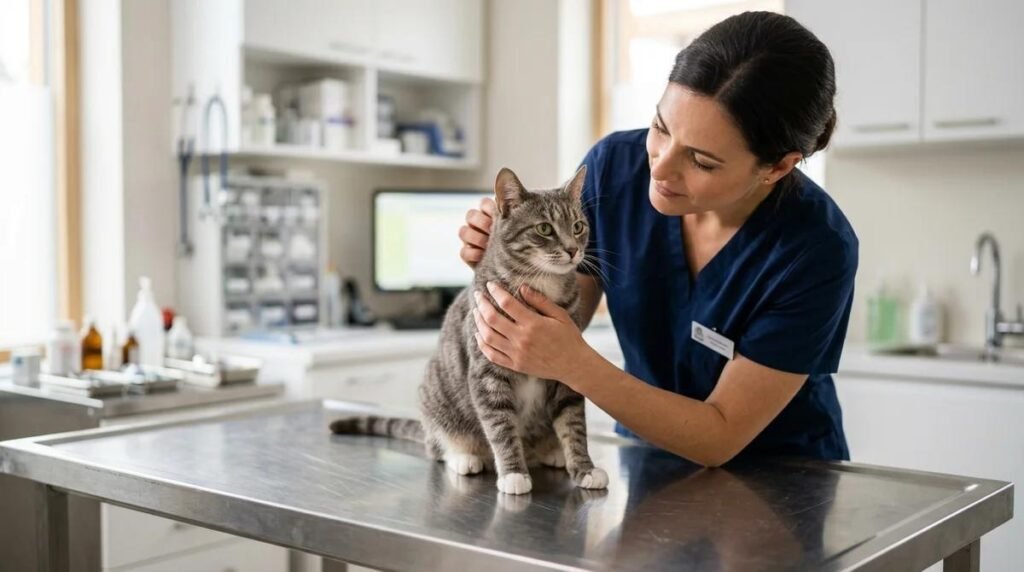
Cats are good at hiding discomfort, which can make health problems difficult to notice. Changes in your cat’s litter box habits may seem minor at first, but they can sometimes point to a urinary tract problem.
If your cat is visiting the litter box more often, straining to urinate, or passing only small amounts of urine, it is important to pay attention. Urinary problems can cause significant discomfort, and some conditions can become serious very quickly.
Understanding the warning signs can help you know when your cat needs veterinary attention.
What Are Urinary Tract Problems in Cats?
Urinary tract problems affect the organs involved in producing, storing, and passing urine. These include the kidneys, ureters, bladder, and urethra.
One common condition in cats is feline lower urinary tract disease (FLUTD). This term describes several conditions that affect the bladder and urethra.
Possible causes include:
- Bladder inflammation: Irritation of the bladder, sometimes without a clearly identified cause.
- Urinary crystals or stones: Mineral deposits that can irritate the bladder or block the flow of urine.
- Urinary tract infections: Bacterial infections that can affect the urinary system.
- Urethral obstruction: A blockage that prevents urine from leaving the body. This is a medical emergency.
- Other health conditions: Kidney disease and certain other medical problems can also affect urination.
The signs of different urinary conditions can look similar, so a veterinary examination is important to identify the cause.
Common Warning Signs of Urinary Problems in Cats
Changes in your cat’s normal bathroom routine are often the first signs that something may be wrong.
Watch for the following symptoms:
1. Frequent Trips to the Litter Box
Your cat may visit the litter box more often than usual but pass only a small amount of urine each time. This can happen when the bladder is irritated.
2. Straining or Difficulty Urinating
Your cat may spend a long time in the litter box, squat repeatedly, or appear uncomfortable while trying to urinate.
Straining can sometimes be mistaken for constipation. If you are unsure whether your cat is passing urine, seek veterinary advice promptly.
3. Blood in the Urine
Pink, red, or brownish urine may indicate inflammation, irritation, stones, or another urinary problem. Even a small amount of visible blood should not be ignored.
4. Urinating Outside the Litter Box
A cat that normally uses the litter box may suddenly start urinating on floors, carpets, furniture, or other surfaces. This behaviour can be linked to urinary discomfort rather than a behavioural issue.
5. Excessive Licking Around the Genital Area
Frequent licking around the urinary opening may be a response to irritation or discomfort.
6. Changes in Behaviour
A cat experiencing urinary discomfort may become restless, hide more often, eat less, or seem unusually quiet. Some cats may also become sensitive when their lower abdomen is touched.
If you notice these changes, arrange a veterinary examination rather than waiting for the symptoms to disappear.
When Is a Urinary Problem an Emergency?
Some urinary problems require immediate veterinary attention.
A cat that cannot pass urine may have a urethral blockage. This is a life-threatening emergency, especially in male cats.
Seek emergency veterinary care immediately if your cat:
- Repeatedly strains but produces no urine or only a few drops.
- Cries or shows obvious pain while trying to urinate.
- Has a swollen or painful abdomen.
- Becomes extremely weak, lethargic, or collapses.
- Vomits or refuses food along with signs of difficulty urinating.
Do not wait until the next day if you suspect your cat cannot urinate. Do not try to press or massage your cat’s bladder at home.
What Causes Urinary Tract Problems in Cats?
There is no single cause of urinary problems in cats. Several factors can contribute.
Inflammation of the Bladder
Feline idiopathic cystitis is a common cause of lower urinary tract signs. The word idiopathic means that no specific underlying cause has been identified. Stress may play a role in some cats.
Urinary Crystals and Stones
Minerals can form crystals or stones in the urinary tract. These may irritate the bladder and, in some cases, contribute to a blockage.
Bacterial Infections
Bacterial urinary tract infections can occur, although they are less common in otherwise healthy adult cats than some other causes of urinary symptoms. They are more likely in certain older cats or cats with underlying health conditions.
Stress and Environmental Changes
Changes in routine, moving homes, introducing another pet, or conflict between cats may contribute to stress. In some cats, stress is associated with bladder inflammation.
Low Water Intake
Cats that drink very little water may produce more concentrated urine. Encouraging appropriate water intake can support urinary health.
How Are Urinary Problems Diagnosed in Cats?
Because different urinary conditions can cause similar symptoms, your veterinarian may recommend a combination of examinations and tests.
Physical Examination
The veterinarian will ask about your cat’s symptoms, eating and drinking habits, litter box routine, and medical history. A physical examination can help identify signs of discomfort or other health concerns.
Urine Testing
A urinalysis helps assess the urine for blood, inflammation, crystals, concentration, and other abnormalities. A urine culture may be recommended when a bacterial infection is suspected.
Blood Tests
Blood tests may help assess kidney function, hydration, and other possible health concerns, depending on your cat’s symptoms.
X-rays or Ultrasound
Imaging may be recommended to look for bladder stones, changes in the urinary tract, or other abnormalities.
The tests recommended will depend on your cat’s condition and the findings during the examination.
How Are Urinary Problems in Cats Treated?
Treatment depends on the underlying cause. There is no single treatment that is suitable for every cat with urinary symptoms.
Your veterinarian may recommend:
- Medication: Appropriate medication may help manage pain or inflammation. Antibiotics are used when a bacterial infection is diagnosed or strongly suspected.
- Dietary changes: Certain urinary diets may be recommended for cats with specific types of urinary crystals or stones.
- Increased water intake: Wet food, fresh water, or a suitable water fountain may help some cats increase their fluid intake.
- Treatment for urinary blockage: A blocked cat needs emergency veterinary treatment, which may include hospitalisation and placement of a urinary catheter.
- Follow-up testing: Repeat urine tests or other examinations may be needed to monitor recovery.
Always follow your veterinarian’s instructions. Never give your cat human painkillers or leftover medication.
How Can You Help Prevent Urinary Problems in Cats?
Not all urinary conditions can be prevented, but a few everyday habits may support your cat’s urinary health.
- Provide clean, fresh drinking water in easily accessible locations.
- Include wet food in your cat’s diet if appropriate.
- Keep litter boxes clean and place them in quiet, accessible areas.
- Provide enough litter boxes for the number of cats in your home. A common guideline is one box per cat, plus one extra.
- Give your cat opportunities to play, climb, and rest.
- Maintain a consistent daily routine where possible.
- Arrange regular veterinary checkups and discuss any changes in urination.
Most importantly, pay attention to your cat’s normal litter box habits. Early changes are easier to notice when you know what is normal for your pet.
When Should You Visit a Vet in Mississauga?
If your cat is urinating more frequently, straining, passing blood in the urine, or urinating outside the litter box, arrange a veterinary examination promptly.
If your cat is unable to pass urine, seek emergency veterinary care immediately. A urinary blockage should never be treated as a routine appointment.
At Erin Centre Animal Hospital, we provide veterinary care for cats and dogs in Mississauga. If you have noticed changes in your cat’s urination habits, contact our team to discuss an examination.
Erin Centre Animal Hospital
3700 Eglinton Avenue West, Unit 54
Mississauga, Ontario
Phone: (905) 607-8600
Your cat may not be able to tell you when something is wrong, but changes in their daily habits can provide important clues. Paying attention and seeking veterinary advice early can make a difference to their health and comfort.
Frequently Asked Questions
1. What are the first signs of urinary problems in cats?
Early signs may include frequent litter box visits, straining to urinate, passing small amounts of urine, blood in the urine, and urinating outside the litter box.
2. Can urinary problems in cats go away on their own?
Some mild symptoms may appear to improve, but the underlying cause may remain. Urinary problems can also become serious, so it is best to have your cat examined by a veterinarian.
3. Are urinary tract infections common in cats?
Bacterial urinary tract infections can occur, but they are not the cause of every case of urinary discomfort. Other conditions, including bladder inflammation and urinary stones, can cause similar signs.
4. Why is my male cat straining but not urinating?
A male cat that strains without producing urine may have a blocked urethra. This is a life-threatening emergency and requires immediate veterinary attention.
5. Can stress cause urinary problems in cats?
Stress may contribute to feline idiopathic cystitis in some cats. Changes in the home, conflicts with other pets, and disruptions to daily routines may be contributing factors.
6. When should I take my cat to a vet for urinary problems?
Contact a veterinarian promptly if you notice frequent urination, straining, blood in the urine, or changes in litter box habits. If your cat cannot pass urine, seek emergency veterinary care immediately.
Concerned about your cat’s urinary health? Contact Erin Centre Animal Hospital in Mississauga at (905) 607-8600 to arrange a veterinary examination.