
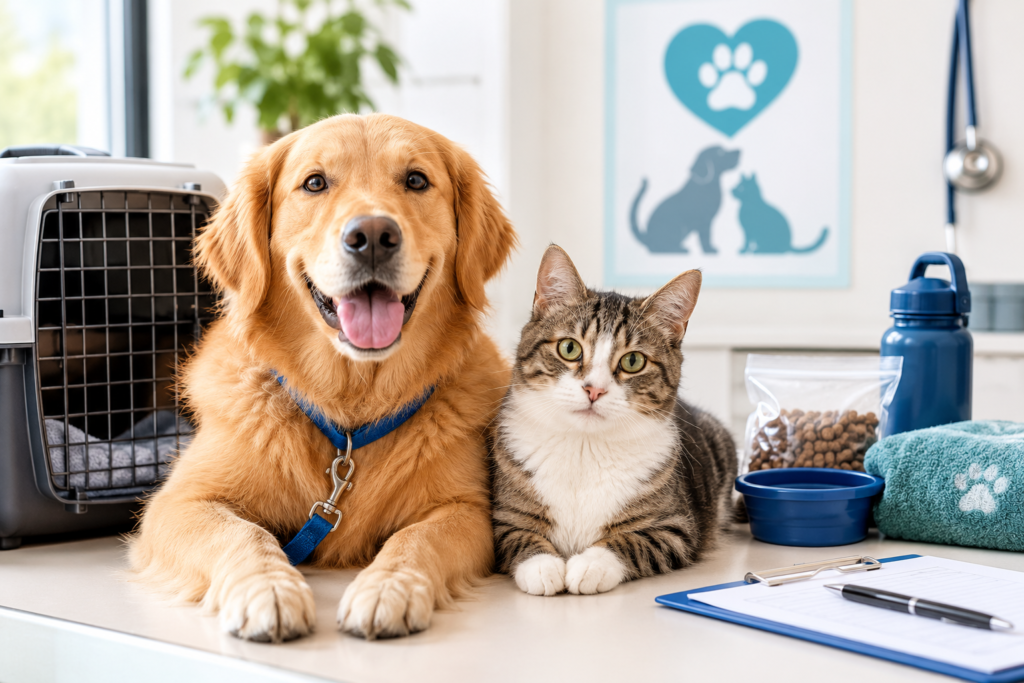
A visit to the veterinarian is an important part of keeping your pet healthy. Whether your dog is due for a routine checkup or your cat needs an examination, a little preparation can make the experience more comfortable for both of you.
Some pets enjoy meeting new people, while others feel nervous around unfamiliar sounds, smells, and environments. Cats may become anxious when placed in a carrier, and dogs may feel uncomfortable travelling in a car or entering a busy veterinary clinic.
Fortunately, there are simple ways to reduce stress and help your pet feel more secure. From choosing the right carrier to preparing questions for your veterinarian, taking a few steps before the appointment can make the visit smoother and more productive.
Why Is Preparing for a Veterinary Visit Important?
Preparation helps your veterinarian understand your pet’s health and behaviour while making the appointment less stressful.
When you know what to bring, which symptoms to mention, and how to transport your pet safely, you can spend more time discussing their needs instead of trying to remember important details during the consultation.
A positive experience can also help your pet become more comfortable with future appointments. This is particularly helpful for young animals attending their first checkup, senior pets that need regular monitoring, and pets that become anxious during travel.
1. Get Your Pet Comfortable Before the Appointment
If your pet becomes nervous before leaving home, begin preparing a few days in advance whenever possible.
For cats, leave the carrier in a familiar room with the door open. Add a soft blanket, a favourite toy, or a few treats so your cat can investigate it at its own pace. This helps the carrier become a familiar resting place rather than something that appears only before a veterinary appointment.
For dogs, practise short periods of calm handling. Gently touch their paws, ears, and body if they are comfortable with it, rewarding relaxed behaviour with praise or treats. These experiences can help them become more accustomed to the handling that may occur during an examination.
Avoid forcing your pet into a carrier or continuing an interaction when they are showing signs of distress. Gradual, positive experiences are generally more helpful than rushing the process.
If your pet has a history of severe anxiety, discuss it with your veterinarian before the appointment. They may recommend additional preparation strategies or medication when appropriate.
2. Choose a Safe Way to Transport Your Pet
How you travel to the clinic can influence your pet’s comfort and safety.
Preparing Your Cat for Travel
Cats should travel in a secure, appropriately sized carrier that allows them to stand, turn around, and lie down comfortably. A sturdy carrier with a secure door is preferable to carrying your cat in your arms or allowing them to move freely inside the vehicle.
Place a familiar blanket inside to provide a comforting scent. If your cat tends to become frightened, cover part of the carrier with a light towel while ensuring adequate ventilation.
Secure the carrier in the vehicle so it cannot slide or tip during the journey. Keep the car at a comfortable temperature and avoid opening the carrier outdoors, where a frightened cat could escape.
Preparing Your Dog for Travel
Use a secure crate, travel carrier, or suitable vehicle restraint designed for dogs. Your dog should not be allowed to roam freely inside a moving car, as this can be dangerous for both the animal and the driver.
If your dog is not accustomed to car travel, short practice trips may help. Reward calm behaviour and avoid making every car journey lead to an unfamiliar or stressful experience.
For dogs that become carsick, anxious, or restless during travel, ask your veterinarian for advice before the appointment.
3. Gather Your Pet’s Medical Information
Having your pet’s health information ready can help your veterinarian build a clearer picture of their overall condition.
Before leaving home, make a note of any medications, supplements, or special diets your pet currently receives. Include the names, doses, and frequency of medications if available.
It is also useful to bring vaccination records and details of previous medical conditions, surgeries, allergies, or reactions to medications, particularly if you are visiting a new clinic.
If your pet has recently received care from another veterinary practice, ask whether relevant medical records can be shared.
For ongoing health concerns, write down when the symptoms started, how often they occur, and whether they have changed. Photos or short videos can be especially useful for symptoms that may not appear during the appointment, such as intermittent limping, unusual movements, coughing, or changes in behaviour.
4. Monitor Your Pet’s Behaviour and Symptoms
Pets cannot explain how they feel, so observations at home can provide valuable information during a consultation.
In the days before the appointment, pay attention to changes in your pet’s appetite, thirst, energy, sleep, bathroom habits, and general behaviour.
For example, you may notice that your dog is drinking more water than usual, your cat is visiting the litter box more frequently, or your pet has become less interested in playing.
Try to record specific details rather than relying on general descriptions. Instead of simply noting that your pet seems unwell, write down when the change began, how frequently it occurs, and whether anything appears to make it better or worse.
Do not delay urgent veterinary care just to collect more information. If your pet is experiencing difficulty breathing, collapse, severe bleeding, repeated seizures, or other serious symptoms, seek emergency veterinary assistance.
5. Prepare Questions for Your Veterinarian
It is easy to forget questions during an appointment, especially when you are worried about your pet. Writing them down beforehand can help you make the most of the consultation.
Depending on your pet’s needs, you might ask about:
- Vaccinations and parasite prevention
- Nutrition, feeding amounts, and healthy body weight
- Dental health and home care
- Behaviour changes or signs of anxiety
- Exercise requirements and age-related changes
- Recommended screening tests for your pet’s age and health
If your pet has a specific symptom, explain what you have noticed and ask what signs would require a follow-up visit.
You do not need to prepare a long list for every appointment. Focus on the questions most relevant to your pet’s current health and daily routine.
6. Check Whether Your Pet Needs Special Instructions Before the Visit
Some appointments require preparation beyond the usual travel arrangements.
For example, certain blood tests or diagnostic procedures may require your pet to avoid food for a specified period. Other visits may involve collecting a urine sample or bringing a stool sample for testing.
However, fasting is not necessary for every veterinary appointment and may be unsuitable for some pets, including certain young animals or pets with specific medical conditions.
Always follow the instructions provided by your veterinary team. If you are unsure whether your pet should eat before the appointment, contact the clinic before making changes to their feeding routine.
Continue prescribed medications as directed unless your veterinarian specifically advises otherwise.
7. Help Your Pet Stay Calm at the Clinic
Arriving prepared can help reduce the time your pet spends feeling unsettled.
Try to arrive on time and allow enough time for parking and check-in. Keep your dog on a secure leash and maintain some distance from unfamiliar animals if your pet feels nervous around them.
Cats should remain inside their carriers while waiting. Place the carrier on a stable surface, away from dogs where possible, and avoid opening it in the waiting area.
Use a calm voice and offer treats if your pet is comfortable eating. Avoid scolding or punishing nervous behaviour, as this can increase fear.
If your pet becomes highly distressed in waiting rooms, let the clinic know in advance. The team may be able to suggest ways to make arrival and waiting more manageable.
8. Take Extra Care With Puppies, Kittens, and Senior Pets
Different life stages can bring different needs during a veterinary visit.
Puppies and Kittens
Young pets benefit from gentle, positive experiences with handling and travel. Bring any available vaccination or deworming records and ask your veterinarian about preventive care, nutrition, dental development, and socialisation.
Because puppies and kittens may have different nutritional and medical needs from adult animals, ask the veterinary team whether any special feeding or travel precautions are appropriate for your pet.
Senior Dogs and Cats
Older pets may have arthritis, reduced mobility, hearing or vision changes, or other health concerns that make travel more difficult.
Use a carrier or restraint that provides secure support, and allow extra time for getting your pet in and out of the vehicle. Tell your veterinarian about changes in mobility, appetite, sleep, weight, or behaviour, even if they seem minor.
Regular checkups can help identify developing health problems and support your pet’s comfort as they age.
9. What Should You Bring to the Appointment?
A little organisation can help you feel more prepared.
Before leaving home, check that you have:
- Your pet’s previous medical or vaccination records, if available
- A list of medications and supplements
- Notes about symptoms or behaviour changes
- Photos or videos that help explain your concerns
- A secure carrier or suitable travel restraint
- A few familiar treats, if appropriate
- Any sample specifically requested by the clinic
You can also keep your questions on your phone so they are easy to access during the appointment.
Frequently Asked Questions
Should I feed my pet before a veterinary appointment?
For many routine visits, pets can eat normally. However, some tests and procedures require specific preparation. Contact your veterinary clinic if you have not received instructions, and do not fast your pet unless advised to do so.
How can I make my cat less afraid of the veterinarian?
Introduce the carrier gradually, use familiar bedding, and reward calm behaviour. Keep the carrier secure during travel and covered partially if that helps your cat feel safer. If your cat has severe travel anxiety, ask your veterinarian about additional options.
What if my dog is aggressive or very nervous at the clinic?
Tell the veterinary team before the appointment and explain what situations trigger your dog’s fear or defensive behaviour. They can advise you on safe arrival arrangements and handling precautions. Do not punish growling or other warning signals, as these can indicate discomfort or fear.
Should I bring my pet’s previous medical records?
Yes, if they are available, particularly when visiting a new veterinary practice or seeking advice about an ongoing condition. Previous records can help your veterinarian understand your pet’s medical history and avoid unnecessary repetition of tests.
What should I do if my pet becomes sick before the appointment?
Contact the clinic and describe the symptoms. The team can help determine whether your pet should be seen sooner or needs urgent care. Serious symptoms, such as difficulty breathing, collapse, or uncontrolled bleeding, require immediate veterinary attention.
Prepare for Your Pet’s Next Visit at Erin Centre Animal Hospital
Preparing for a veterinary appointment does not need to be complicated. Familiarising your pet with their carrier or travel routine, gathering medical information, and noting any health changes can help make the experience more comfortable and productive.
At Erin Centre Animal Hospital in Mississauga, Ontario, your pet’s health and well-being are important. Whether you are arranging a routine wellness examination or seeking advice about a health concern, being prepared helps the veterinary team better understand your pet’s needs.
If you have questions about preparing your dog or cat for an upcoming appointment, contact Erin Centre Animal Hospital before your visit for guidance specific to your pet.
Veterinary Disclaimer: This article is intended for general educational purposes and does not replace professional veterinary advice. Follow your veterinarian’s instructions for your pet’s individual health needs. If your pet shows signs of a medical emergency, seek urgent veterinary care.